
Why Wager Practice Systems Exists
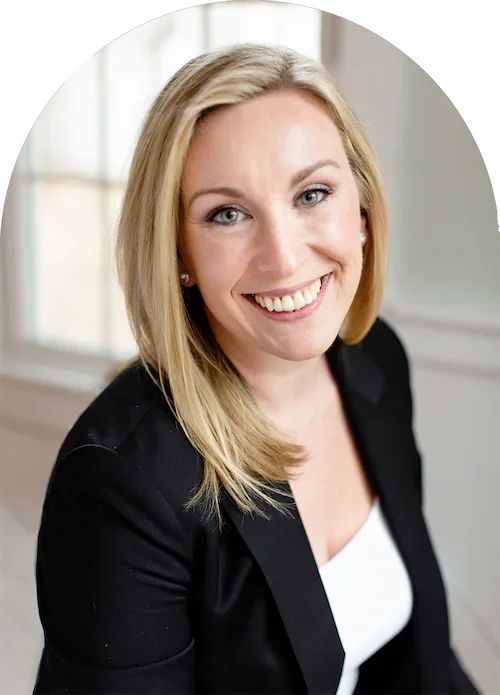
I’m Courtney Wager, founder of Wager Practice Systems, an RDH with two decades of clinical experience in a two-column assisted hygiene model.
I didn't start Wager Practice Systems because I wanted to become a consultant. I started it because I've spent two decades working in a system that allowed me to provide exceptional patient care while producing averages over $300 per clinical hour. I realized many practices have the opportunity to do the same—they just need a different approach.
Clinical Foundation
20 years in clinical practice
Working within a two-column assisted hygiene model
Consistently producing over $330 per clinical hour
Board Member & Co-Chair Southeastern Component, Massachusetts Dental Hygienists' Association (2008–2015)
Founder — Boston Orofacial Myology (2011)
First RDH in Massachusetts to be IAOM certified in Orofacial Myology
IAOM Board of Directors (2013–2017)
Local and International Lecturer
Boston Institute of Aesthetic Dentistry, Moscow Russia
University of North Carolina, Dental Hygiene Students
ENT Open Forum (Boston) Various Study Clubs
With 20 years as a Registered Dental Hygienist in clinical practice, I specialize in two-column hygiene - a systematic approach that maximizes patient flow and hygiene profitability.
Expertise in Two-Column Hygiene

Production-Based Solutions
I understand the operational dynamics of a dental office. I focus on real, measurable improvements that increase patient capacity and production, without burning out your staff. There really is a model that serves the practice, the dentist, the hygienist, and the patient.

Practical Implementation Over Theory
Unlike many consultants, I don’t just deliver advice. I implement. And I’ve used this exact system myself for twenty years in clinical practice. I work hands-on with your team to put these systems into place that produce results, not just ideas.
Trusted by Dental Leaders:
"Courtney possesses strong business acumen and understands the importance of balancing exceptional patient care with the operational success of a practice."
— Evetta Shwartzman, DMD, LVIF, FIACA
"What makes Courtney truly special is her understanding of both patient care and practice success. She consistently found ways to improve efficiency without ever compromising the quality of care. Her deep clinical experience, leadership, and practical approach helps practices build stronger hygiene departments while always keeping patients at the center of every decision."
— Ilya Sherman, DMD
"Courtney is one of the most outstanding dental hygienists I have had the privilege of working with. What sets Courtney apart is not only her exceptional clinical skills but also her work ethic, integrity, and genuine passion for helping others. Perhaps Courtney's greatest strength is the way she genuinely cares."
— Elizaveta Malinina, DMD
"What truly sets Courtney apart is her understanding of both the clinical and business sides of dentistry. She has built a highly productive and successful hygiene practice not by focusing on numbers, but by keeping patients at the center of every decision she makes.
For any dental practice looking to elevate its hygiene program, improve patient care, strengthen clinical systems, or grow production through ethical and patient-centered approaches, Courtney is a consultant I would confidently recommend and personally hire."
— Kristin Scott, Director of Hygiene Operations, 42 North Dental
Who I Work Best With

I work with dental practice owners and their teams who recognize there is opportunity for growth, are motivated to optimize hygiene operations and revenue, but aren’t sure how to do so within their current system. I work best with practices that are:
—— Experiencing demand for care but limited by how hygiene is currently scheduled
—— Wanting to grow without hiring additional providers, extending hours, or burning out their team
—— Looking for practical, measurable changes — not theory or short-term fixes